Welcome to Day Three of our special Back to School: MFA Week! Six SCBWI-MI members (representing three different MFA programs) answer a question a day for seven days. It's everything you ever wanted to know about getting your MFA.
Just joining us? Go here to read the first and the second post in our MFA series.
Team MFA: Jennifer (Jay) Whistler, Diane Telgen, Anita Pazner, Erin Brown Conroy, Rebecca Grabill, and Katie Van Ark.
What's it like to spend a semester in your program?
Just joining us? Go here to read the first and the second post in our MFA series.
Team MFA: Jennifer (Jay) Whistler, Diane Telgen, Anita Pazner, Erin Brown Conroy, Rebecca Grabill, and Katie Van Ark.
What's it like to spend a semester in your program?
Once back home, you send in what are called packets once a month for five months. Packets include approximately 40-50 pages of creative pages, 10 pages of critical/academic writing, an annotated bibliography of the month’s reading (usually 10-12 books plus 1-2 books on craft), and a letter that summarizes your progress for the month, including successes, struggles, and questions. Generally, you receive feedback within a few days, and you start all over. I spend about 30 hours per week on my packets, but I am also a slow reader and an even slower writer. Some people spend less time, some more.
 |
| VCFA students from Michigan: Katie Van Ark, Diane Telgren, Marty Graham, Jay Whistler, Anita Pazner and Tina Vivian |
Diane: At VCFA you also write a critical thesis of 25-plus pages in your third semester, while in your fourth and final semester you leave critical work behind and focus on your creative thesis. The program recommends you devote 25 hours a week to homework, but I probably averaged around 30, or even more closer to packet due dates. You get out of it what you put into it, so “your mileage may vary.”
Anita Pazner: Since Jay and Diane have already described the academic portion of the program, I feel it my duty to discuss the aspects not listed on the brochure. Yes, we spend countless hours going to lectures and readings, but we also have fun, staying up late into the night discussing everything from politics and religion to the adult humor in Spongebob Squarepants. Did you know that Mr. Krabs lives in Bikini Bottom? Yeah, it’s a little disturbing.

There are also amazing opportunities, such as the chance to spend a summer residency in Bath, England, where you can meet Phillip Pullman and David Almond, and literally walk in Jane Austen’s footsteps. As you can see, there is so much more to an MFA program than simply reading a few hundred books, writing a thousand pages of creative work and completing twenty or more academic essays on the craft of writing for children and young adults.

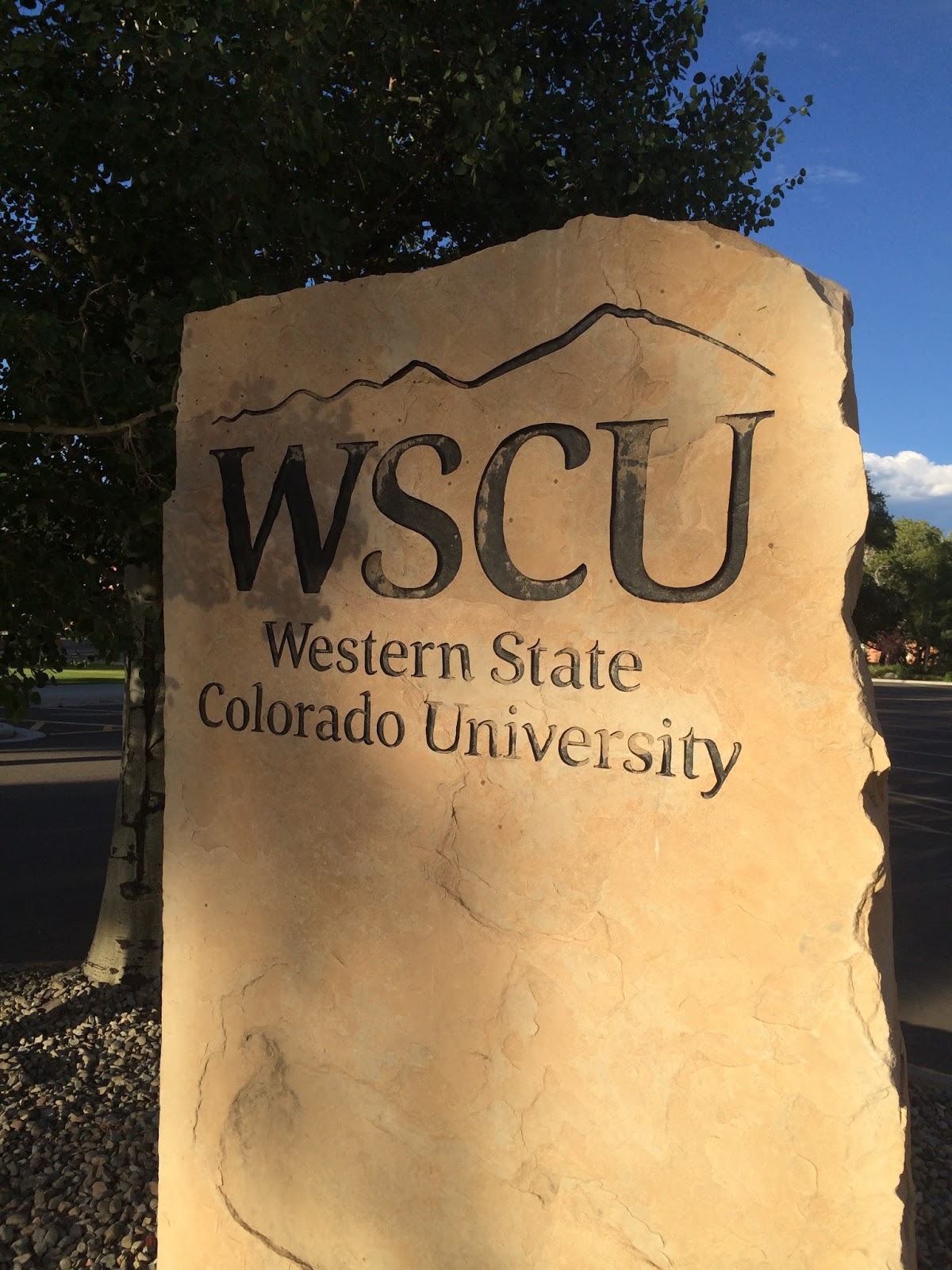
I liked the idea of one two-week summer residency in the summer in the mountains of Colorado (who wouldn’t?!)... and it didn’t disappoint. Yes, we worked incredibly hard, but the environment was beautiful, memorable, and special.
Rebecca: Hamline has five 11-day residencies and four six-month(ish) long semesters, which involved one-on-one work with a faculty advisor: four packets due roughly a month apart, each with creative work, critical work (essays on topics like “Rhyme in Picture Books” or “Verse Novels”). A letter or phone call from the advisor provided feedback and instruction for the next packet. Over the first two semesters, every student had to complete an annotated bibliography based on a reading list of 120 notable children’s books. The third semester involved the usual creative work plus a critical thesis. Students presented a lecture on their thesis topic during fourth residency, while the final semester was geared toward creating a creative thesis--a collection of picture books or a finished, full-length novel.

In winter, we stayed in a nearby hotel (with a bar! And a pool!) and, after a hotel-provided breakfast, rode the shuttle to campus in the morning, where we followed our summer routine. Evenings were adventures of walking in the dark to local eateries (or the dining hall), back for readings, off to the shuttle and back to the hotel for drinks and pick-up games of Dixit (because what OTHER game would a bunch of writers play?). I loved the camaraderie of dorm life during the summer, but I adored the luxury of hotel life in winter.
Thanks to Team MFA for giving us a behind-the-scenes peek into their programs!
Come back tomorrow for MFA Week, Day Four. Our MFA team will answer the questions, "How did you research programs to find the best fit for you?" and "What's available after you graduate?"
Thanks to Team MFA for giving us a behind-the-scenes peek into their programs!
Come back tomorrow for MFA Week, Day Four. Our MFA team will answer the questions, "How did you research programs to find the best fit for you?" and "What's available after you graduate?"