Showing posts with label Bea Jackson. Show all posts

Friday, May 7, 2021

Interview with Bea Jackson, Mentor for the 2021 Middle Grade – Young Adult Illustration Mentorship


SCBWI-MI is hosting two illustration mentorships this year. Today, we have an interview with MG/YA illustration mentor, Bea Jackson. Last Friday (April 30) we had an interview with the picture book illustration mentor, Dow Phumiruk. 
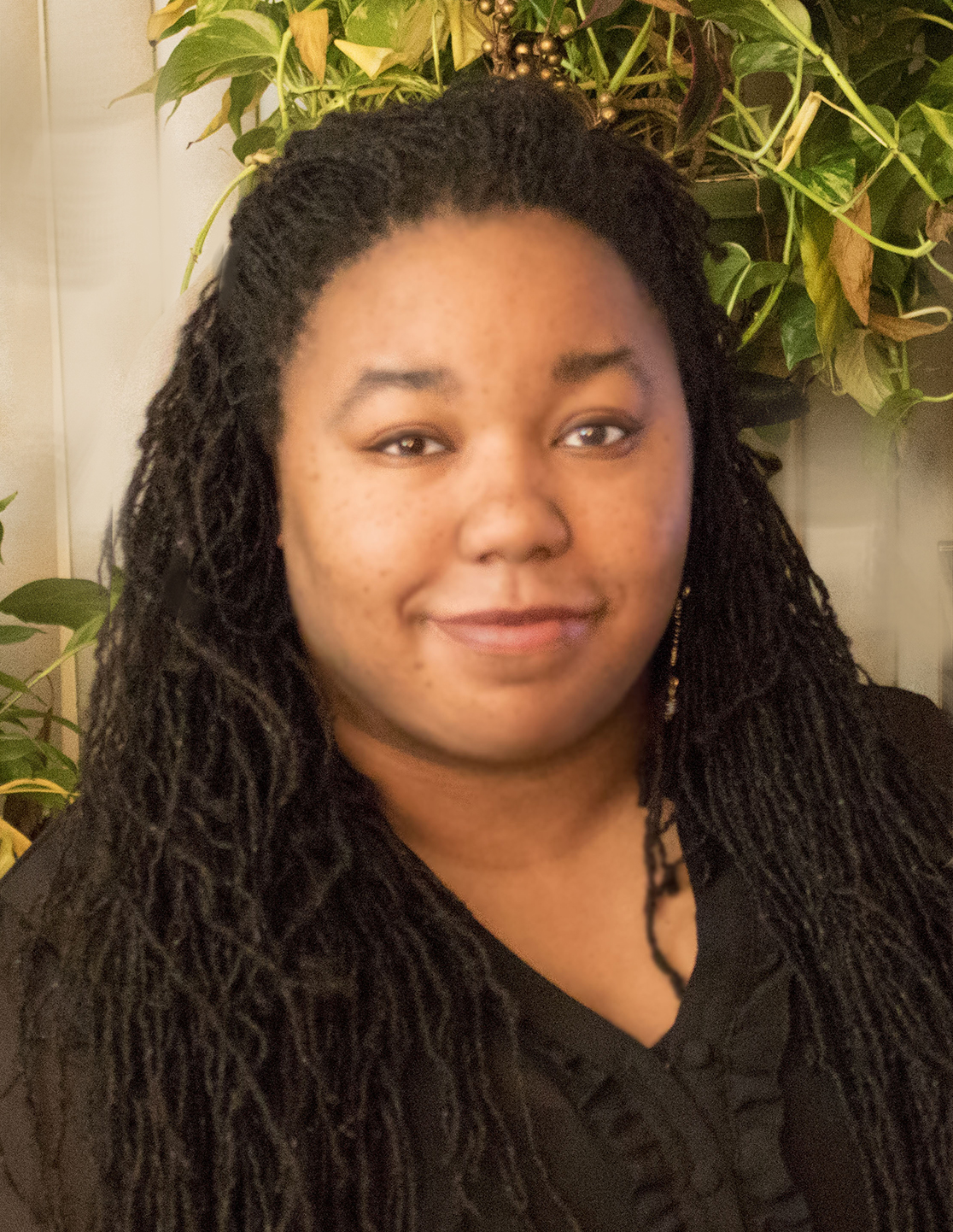
Bea Jackson loves telling stories through her art, from dynamic and diverse character design, to delightfully fun and energetic children’s book illustrations. She attended the College for Creative Studies and is the Grand Prize Winner of the L. Ron Hubbard’s Illustrator of the Future Award of 2007. She has illustrated several books including the New York Times best seller, Parker Looks Up, which was nominated for an NAACP Image Award for Outstanding Literary Work – Children’s. In addition to her work as a children’s book illustrator, character and concept artist, Brittany’s work has been featured on the covers of books, comics, and in various magazines and articles. 


What do you like best about illustrating?

What I like best about Illustration, is the process of completing a work. It can be challenging, frustrating and exciting, considering all the little things that go into bringing what’s in my mind onto the canvas. Sketching, finding references and inspiration, building a composition, finding the right colors, and just getting lost in the zone is very mentally stimulating for me-- and to see the final product at the end of it all is the cherry on top.  


How do you know when an illustration is both good and done?

I struggle with knowing when an illustration is good and done, especially with personal work. Most personal projects I do as an exercise to learn or put something into practice, so I always feel there is room for improvement, which makes it hard to settle. Though once I feel like I have a strong concept and colors that I can work with, I feel like I’ve hit a breakthrough where I can take the idea to completion. From there, I’m very strategic about how I complete my final render, by choosing different areas of the illustration I want to work on, gradually working through it till each part of it is rendered.


What is the most important thing you’ve learned about illustrating?

As an introvert, I often struggle with my words. I learned that for me, the most important thing about Illustrating is that it is a form of communication. Illustrations can connect with people without words to express a feeling, an idea, and or tell a story.  It can break the ice when it comes to connecting with people, and for me has bridged many gaps when it comes to discussing difficult topics, opening discussions with people that would otherwise be hard to get into. For people like me who struggle with casual conversation, using illustration to communicate has made it easier for me to reach out, connect, and be connected to. 


What is a typical illustrating day like for you?

A typical day of illustrating for me usually involves juggling multiple projects- usually 2 or 3 in one day. On average, I will spend a few hours working on one project before putting it away to work on the next after a break. It is a bit hectic, but by shuffling through it keeps me from overthinking one project, and I always come back to it with fresh eyes the next time I visit it. 

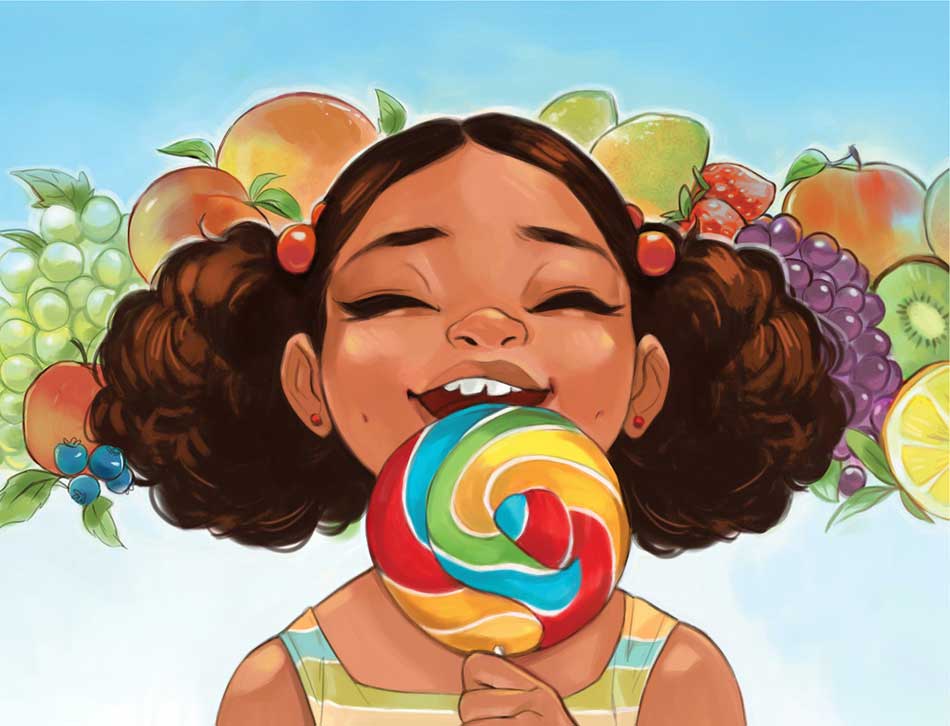
Art by Bea Jackson


What are your favorite art forms, software and media? 

Digital is my favorite art form, purely for its versatility, but I have a love for traditional in all its forms. There is something very beautiful about tactile art. I especially love traditional artwork that is rough, and sketchier. I love seeing the process in an artist’s works, their rough lines, and the character that comes with art that is less polished. 


What will you expect of the mentee?

I expect the mentee to feel free to ask questions, even the more difficult ones that often times artist avoid asking, like how to price your work. I wish to be as informative as I can, sharing the good, the bad and the ugly with the hopes that my experiences may help others, so feel free to ask the often-avoided questions. 

Do you have any advice for applicants?

Use these classes as an opportunity to connect and network with other artists. Much of the work I have found was the result of other artists giving me a hand up or opening the door for me. No matter what level you are, introvert or extrovert, connecting with good people is essential. 


Thank you, Bea, for chatting with us. 

The submission window for both mentorships opens May 17, 2021 at 8:00 am. The submission window closes when we have 30 applicants or June 7, 2021 12:00 midnight – whichever comes first. 

***Everything you need to know about applying for the PB illustration and MG/YA illustration mentorships can be found on the SCBWI-MI Mentorship page. 

If you missed Deb Pilutti's Zoom presentation on formatting your mentorship submission, go here for a link to the recording: https://michigan.scbwi.org/events/free-webinar-illustration-mentorship-discussion-with-deb-pilutti/ 

For questions, contact SCBWI-MI mentorship coordinator, Ann Finkelstein. 


Ann Finkelstein is a former scientist who discovered that writing novels is more fun than wrangling test tubes. Aside from coordinating our mentorship program, she helps Charlie Barshaw organize the Lansing Area Shop Talk (LAST).


Coming up on the Mitten Blog:

Picture book inspiration, interviews with scholarship and award winners, Ask the Editor, and a round of Hugs and Hurrahs. But first, it's time for a new Featured Illustrator! Join us next Friday to see our new spring/summer blog banner and read the Featured Illustrator interview.


Friday, April 30, 2021

Interview with Dow Phumiruk, Mentor for the 2021 Picture Book Illustration Mentorship.


SCBWI-MI is hosting two illustration mentorships this year. Today, we have an interview with the picture book illustration mentor, Dow Phumiruk. 
Next Friday (May 7), we’ll have an interview with MG/YA illustration mentor, Bea Jackson. 


Dow Phumiruk
is a former pediatrician who has found her passion in creating children's books.  She is currently a co-Regional Advisor for the Rocky Mountain Chapter of SCBWI. She has written and/or illustrated several books. Clients include HarperCollins, Henry Holt/Macmillan, Hachette Book Group, Abrams, Viking, Sleeping Bear Press, and Zonderkidz. She lives in Colorado with her husband of almost three decades, three artistic daughters, and a handful of small pets. She is the recipient of numerous awards including Winner, SCBWI Inaugural Narrative Art Award, 2017, Winner, SCBWI Postcard Contest 2016, 1st place RMC SCBWI calendar image contest 2015, and Winner, SCBWI Emerging Voices Award 2013 for Mela in the Jungle (published as Mela and the Elephant).


What do you like best about illustrating?


My favorite part of illustrating is that I am creating something from nothing. That’s pretty nifty, I’d say! If I am illustrating a story, I enjoy adding the visual dimension to bring it to life. From a vague notion of what a character or scene looks like in my head, I can solidify the feel of the story and then add details to enrich it. It’s usually somewhat of a surprise, really: I don’t always know what the art will look like until I have sketched it out. And then, I can almost hear a character introduce herself to me and say, “Nice to meet you!”

Illustration is also my form of self-expression. As much as it is a career, it is also a means for processing the world and life. This is another favorite part. If something bothers me, drawing often helps. 


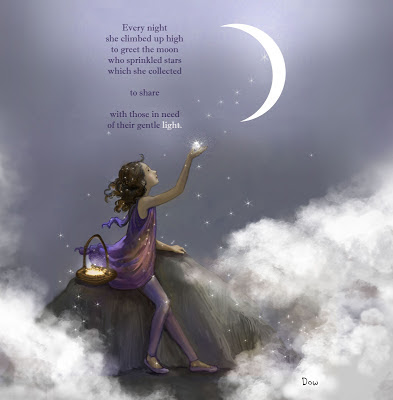
Art by Dow Phumiruk

How do you know when an illustration is both good and done?


It’s a process! It isn’t so until I’ve gone through several rounds of polishing the piece. First, it’s a rough sketch. Second, I add color and clean up edges. Third, I add lighting. Fourth, I will revisit the edges and confirm that my composition is ideal. I almost always flip the image to trick my brain into viewing it with “fresh eyes” this way (usually via the “transform --> flip horizontally” tool in Photoshop. If I still need another “new” perspective, I may print it out and look at it on paper. Unfortunately, after working on an image for days or longer, our brains end up biased. We can’t find issues as easily as if we were critiquing a piece that is brand new to us. We have to find workarounds like these.

And then, as with finding typos after sending an email to your boss or other important person, the act of submitting it as final art makes me somehow alert to additional areas to fix – ha ha! 

I think art revisions can just go on and on. Mostly it’s good after many hours invested, including a break in the process to come back with those fresh eyes, and it’s done when the deadline comes round!


What is the most important thing you’ve learned about illustrating?


A big lesson is to not compare your work and careers to that of others who are more successful. Whenever I’ve done this in the past, it has made me feel lesser than. I think it sets us back mentally. Instead, focus on goals for yourself and your individual path to success. For every wildly successful illustrator that you read about or see on social media, there are so many more who are working their way up to their full potential. Of course, you can and should try to celebrate and support other illustrators, but know that you must follow your own path for your own career.


What is a typical illustrating day like for you?


This varies quite a bit, depending on if I have an imminent deadline or not. Here is an average day:

I will wake up, take care of chores like walking the dog and answering emails, open up Photoshop, and start drawing! I take a lunch time break usually and get back to drawing again for the rest of the day. It’s pretty much just that, interspersed with other duties like attending to my youngest daughter or making dinner. Sometimes, if I get behind, I will draw in the evenings and/or ask my husband to pick up some of my around-the-house slack to stay caught up. I am lucky to have that help as I continue to strive for balance in my work. 

I adhere strictly to my self-imposed schedules – such as finishing one spread a week when in the final art phase of an illustration project. This is because I am at the point in my life where I don’t want to (can’t!) pull all-nighters. I love my sleep too much! So my work is always divided up to avoid a pile up when it is close to time to submit. I am almost always early for deadlines (ooh, I feel like I am jinxing myself by typing that), since I often allot time for each interim deadline generously.

Art by Dow Phumiruk

What are your favorite art forms, software and media? 


I work mostly on Photoshop CC, so digital art is my favorite. I started working in illustration later in life, and its flexibility allows me to experiment efficiently with colors and composition to learn quickly! It is by far my most valuable program for getting to final art. Along with Photoshop, I have my stalwart 2011 Intuous Pro 4 pen and tablet for drawing. Another essential for me.

I have an iPad Pro with Apple pencil for doodling when I am not at my desk, but doodling with pencil and paper is still my more frequent go-to. I also own a Mobile Studio Pro Wacom tablet, but I don’t seem to be using it much – I am too used to my desktop set up to get accustomed to the smaller screen and buttons on it. It’s handy for giving presentations onsite to show how I work digitally, but that has not been a big thing since pandemic mode!

Art by Dow Phumiruk


What will you expect of the mentee?


I hope a mentee working with me will be open to suggestions. I am enthusiastic about helping other artists grow, so I think having a mentee who is willing to work hard to improve her art is important. In addition, all artists should know how to present themselves professionally, and that is a nice foundation for success in any career. 


Do you have any advice for applicants?


Keep working on your art, whether or not you receive a mentorship this year. I often refer to the “Ps” of:
• Persistence: keep at it, take breaks if needed, but don’t give up too soon 
• Patience: the children’s book industry tends to move slowly
• Productivity: draw regularly and share if you can on social media (get your work out there!)
• Progress: look for ways to improve your skills.

These are each so important to developing your illustration career!


Thank you, Dow, for chatting with us. 

The submission window for both mentorships opens May 17, 2021 at 8:00 am. The submission window closes when we have 30 applicants or June 7, 2021 12:00 midnight – whichever comes first. 

Everything you need to know about applying for either the PB illustration or MG/YA illustration mentorship can be found on the SCBWI-MI Mentorship page. 

***On May 4, 2021 at 7:00 pm, Deb Pilutti will host a Zoom presentation on formatting your mentorship submission. See the SCBWI-MI Events Calendar for the link. 

For questions, contact SCBWI-MI mentorship coordinator, Ann Finkelstein. 


Ann Finkelstein is a former scientist who discovered that writing novels is more fun than wrangling test tubes. Aside from coordinating our mentorship program, she helps Charlie Barshaw organize the Lansing Area Shop Talk (LAST).